Rigging services in Victoria, TX
The crew and gear between the hook and the load: riggers, slings, shackles and a signal person. Quoted with the crane or on its own by independent local operators.
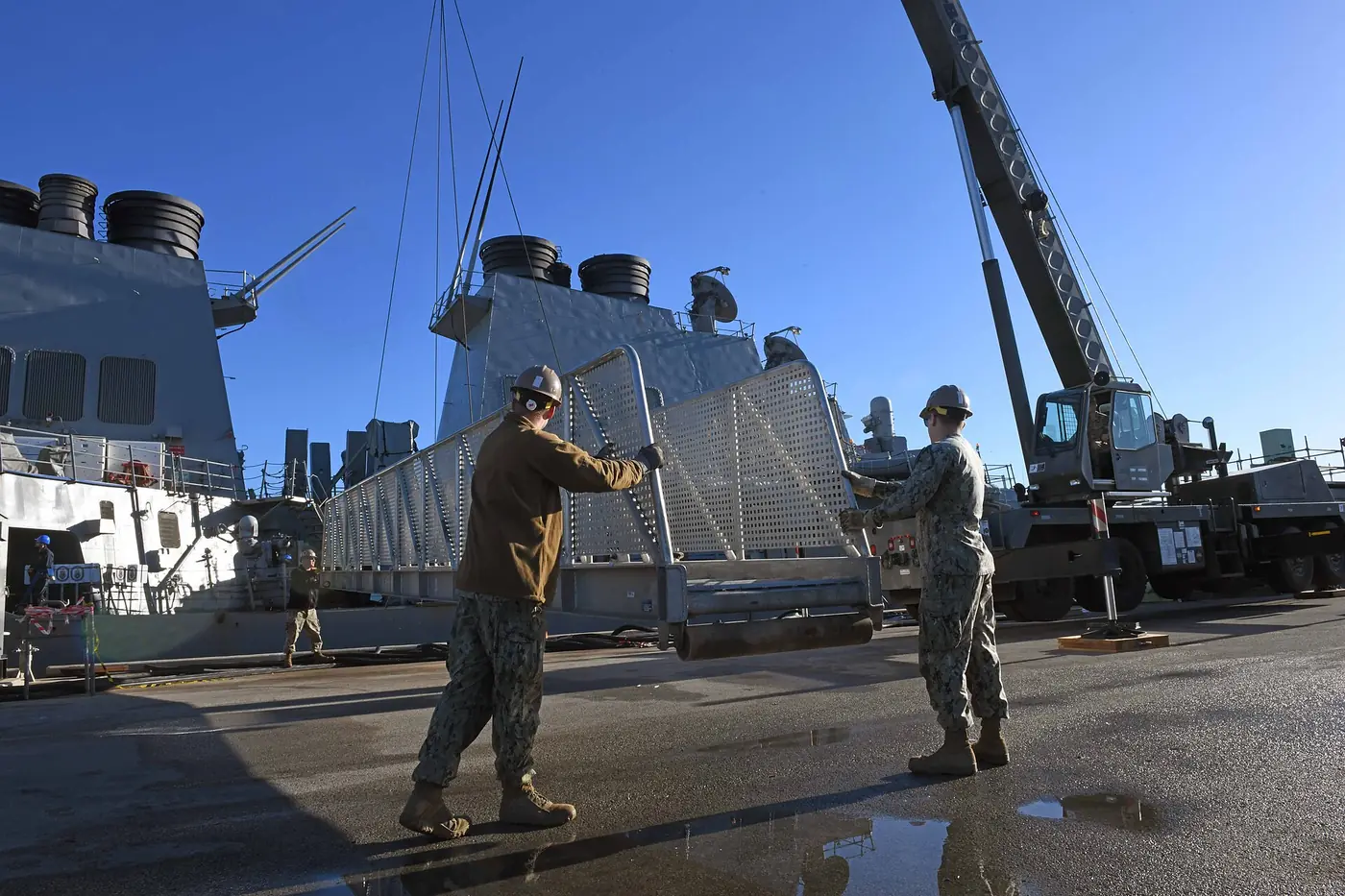
What riggers do on a lift
The operator runs the crane. The rigger decides how the load is attached and makes sure it is safe to leave the ground.
Before the pick
- Choose slings, shackles, hooks or a spreader bar for the load's weight, shape and pick points
- Inspect the gear before use and set aside anything damaged
- Check the load's weight against the gear's rated limits
During the pick
- Attach the load and clear people from under it
- Steady it with tag lines so it does not swing or spin
- Pass signals to the operator, or work with a separate signal person
At the set point
- Guide the load down onto blocking, a pad or the structure
- Confirm it is stable before the gear comes off
- Tell the operator when the hook is clear
Rigger or signal person: when you need which
Rigging is often a separate line item from the crane. Ask for it in writing, so two quotes compare on the same terms.
Rigger
Attaches and releases the load.
You need rigging for any pick that is not a simple, standard-shaped load on the crane's own hook. Plant equipment, vessels, steel and odd shapes all call for it.
Some crane operators send a rigger with the crane, some quote riggers separately, and some job sites bring their own. Say which you have.
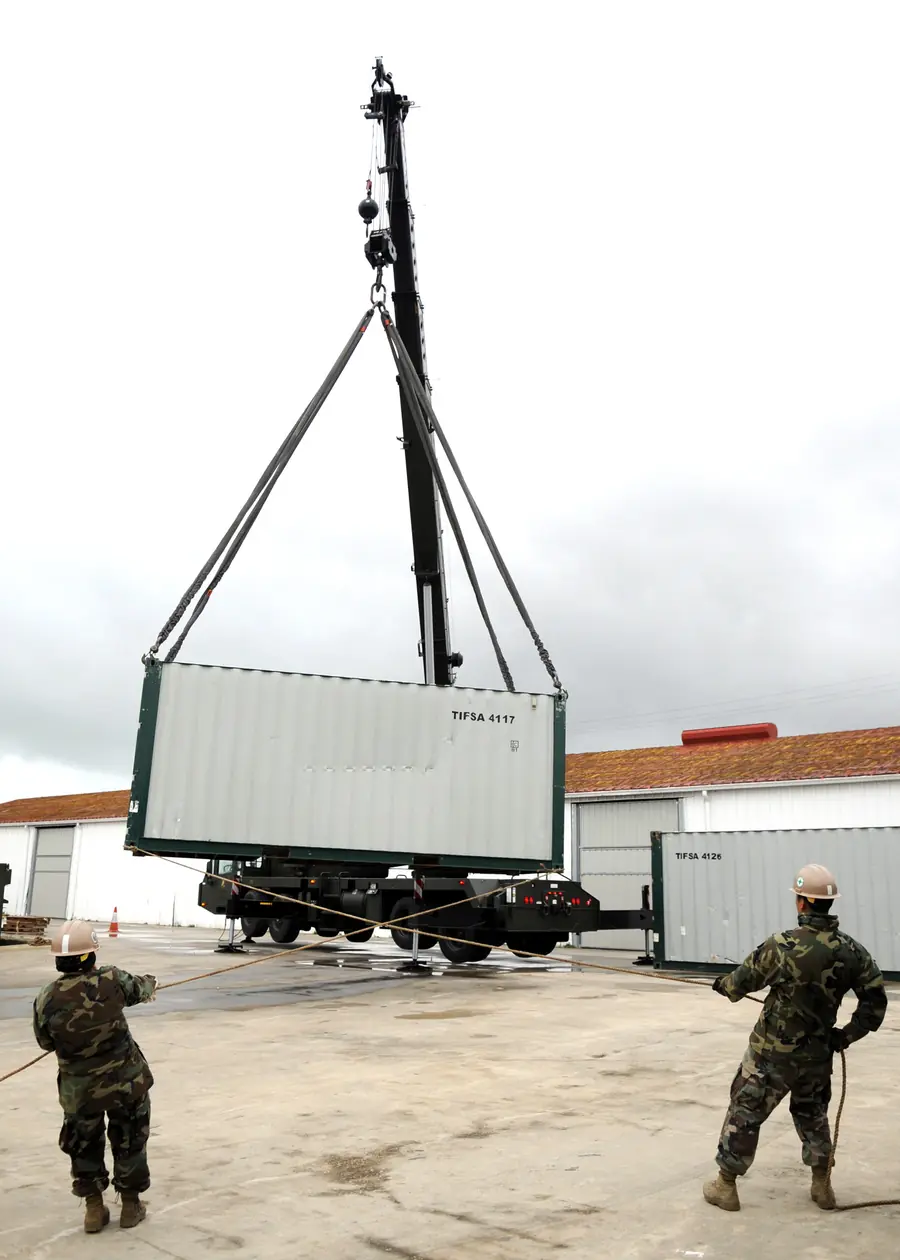
Gear a lift can use
- Slings
- Chain, wire rope or synthetic webbing. Each has a rated limit stamped or tagged on it, and the angle of the legs changes the load on each leg.
- Shackles and hooks
- The connectors between the sling and the lifting point. They are sized to the load and checked each time they are used.
- Spreader and lifting beams
- Hold slings apart or spread the load so a long or fragile piece is not crushed or bent.
- Tag lines
- Ropes held from the ground to keep the load from swinging or turning.
- Weight counts
- The rigging weighs something, and its weight is added to the load. Put the heaviest piece in the lift sizer and tell the operator what rigging you plan to use.
What to send
For a rigging-only request, give the same facts the crane operator needs.
What is lifted
A description, the weight, the shape and any lifting points already built into the piece.
Where it goes
Start and landing points, and whether the crane can see both.
Who has the crane
Yours, a hired one, or one you want quoted with the rigging.
Whose gear
Slings and shackles you own, or gear the riggers should bring.
Crew size
How many riggers, and whether a separate signal person is needed.
Rules that apply
Not legal advice: a short map of the rules buyers ask about. The operator and the site owner have the final word.
Signal person
Under OSHA's construction crane rules, a signal person must be provided when the operator cannot see the load's travel or landing area (29 CFR 1926.1419), and must be qualified (29 CFR 1926.1428), by a third-party evaluator or the employer's own.
Rigging gear
OSHA's rigging rule for material handling (29 CFR 1926.251) calls for inspection before use on each shift, readable load ratings on the gear and not loading it past those ratings.
Site rules
Plants and job sites add their own entry and lift-plan requirements. Ask the site, and tell the operator. OSHA crane FAQ
Rigging questions
Own crewCan I use my own riggers?
Often yes, and many jobs do. Say so in your request, so the quote covers the crane only. The operator may still ask who is responsible for the rigging and what experience your crew has.
SignalsIs a signal person always needed?
No. It is required when the operator cannot see the load's travel or landing area, when the crane's travel view is blocked, or when a site concern calls for one. Ask the operator who will give signals on your lift.
InspectionWho inspects the rigging gear?
Whoever supplies and uses the gear, which is usually the rigging crew. OSHA's rule calls for an inspection before use on each shift. Ask the crew how it inspects and whether the ratings are marked on the gear.
TurnaroundsCan I get riggers for a turnaround?
You can ask. Riggers are in demand when several plants shut down at once, so start the request early and say whether the plant needs a specific contractor. See plant and turnaround lifts.
No craneCan I book rigging without a crane?
Yes. Choose "Rigging / signal person" in the form and say the crane is already arranged. Operators who quote rigging alone will tell you what they need to see first.
Request rigging
Four short steps, about two minutes. "Rigging / signal person" is already selected; add a crane in the notes if you need one.
We pass your request to independent local operators who quote you directly. We are a quote-request service, not a crane company.
Related lift services
Not just rigging? These pages cover the neighbouring requests. Towns we take requests from
The crane, operator and travel quoted as one job.

Lifts inside petrochemical and industrial sites.
Lighter picks, pipe, poles, panels and material drops.